Learn One Species at a Time
Build familiarity slowly, with a regional guide and experienced help.
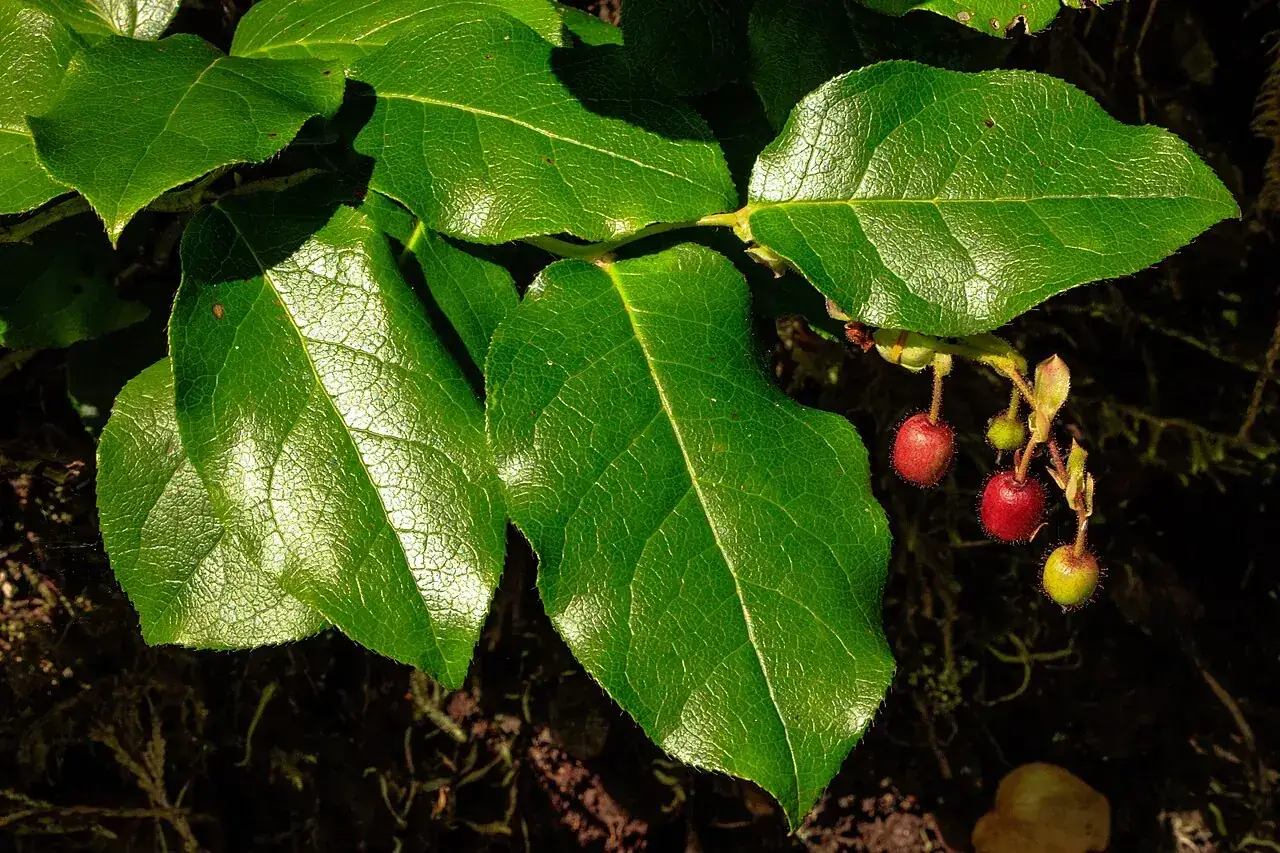
Choose a manageable focus
Instead of trying to name everything on your first walk, choose one species to study. Read its scientific name, range and identifying features in a reliable regional reference. Find out which similar species need to be distinguished from it.
Look at the whole organism
For plants, observe leaves, stems, flowers or fruit and the growth habit. For mushrooms, record the cap, underside, stem and setting. Photographs should capture several features rather than one attractive close-up. Leave a specimen in place when collection is not allowed or is unnecessary.
Treat an app as a suggestion
An automated identification can give you a name to investigate. It cannot establish that a plant or mushroom is safe to eat. Ask a knowledgeable local identifier to explain how the features support the identification and how the look-alikes differ.
Know the intended food part
Correctly naming a plant does not mean every part is edible or suitable at every stage. Some species require specific preparation. Keep uncertain finds out of the food basket and make observation, rather than tasting, the goal of early outings.
Forageberry’s original editorial guide. This is introductory reading, not a substitute for in-person identification or site-specific harvesting rules.