Picking Mushrooms with Care
A good mushroom outing begins with identification and ends with careful handling.
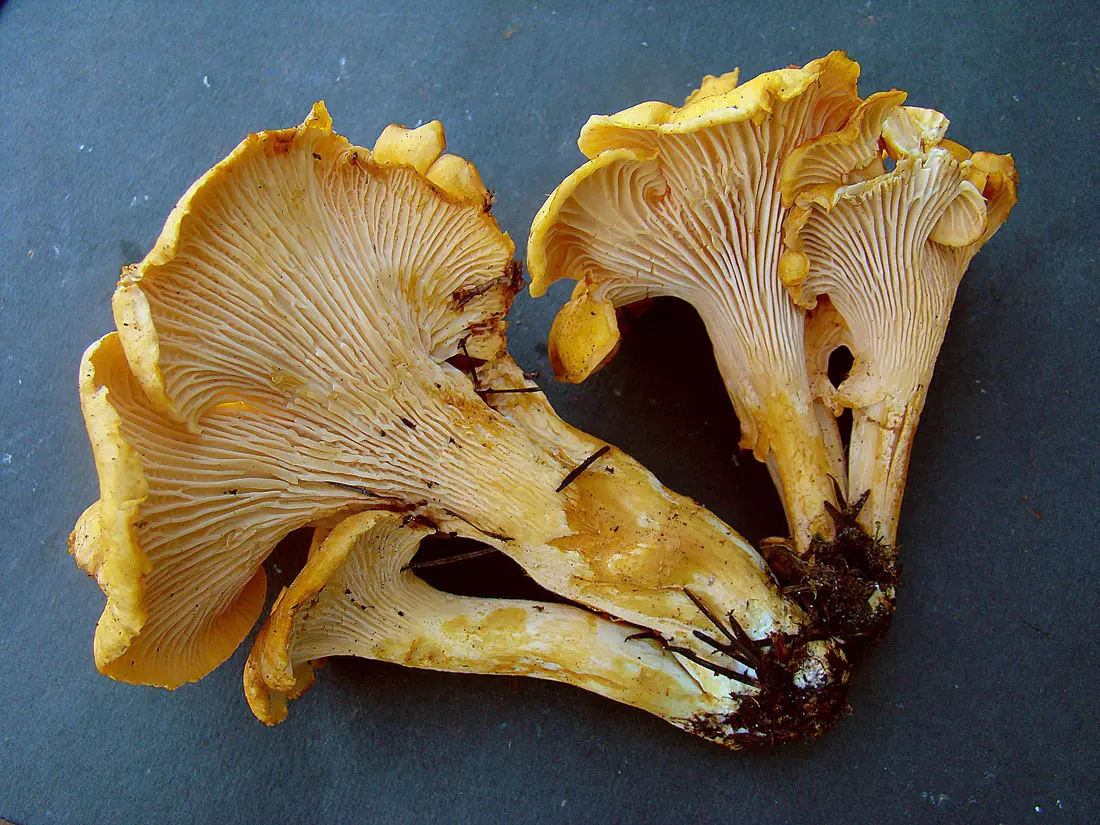
Look before you pick
Stop and examine the whole mushroom in its setting. Photograph its cap, underside and stem, and note nearby trees and whether it grows from soil or wood. A look-alike photograph is not enough to decide that a mushroom is food. Learn with someone experienced in local identification.
Keep identification features
When collection is permitted, follow the guidance of your identification mentor. For a study specimen, the intact stem base may be important: do not trim away features before it has been examined. For a confirmed food collection, use a careful cut or gentle removal appropriate to the species and site. There is no universal best method for every mushroom.
Disturb as little as possible
Do not rake litter or churn up soil. Leave very old specimens and avoid sensitive habitats. Handle mushrooms individually and place them in a rigid basket or separate paper bags. Keep study collections separate from anything intended for food.
Be certain before the kitchen
Do not taste a mushroom to test it. Cooking does not make a poisonous mushroom safe. If an identification remains uncertain, do not eat it. For suspected poisoning, contact the B.C. Drug and Poison Information Centre promptly at 1-800-567-8911; call 911 for a medical emergency.
Forageberry’s original editorial guide. This is introductory reading, not a substitute for in-person identification or site-specific harvesting rules.