Plan Around the Seasons
Use the calendar to choose what to learn, then let local conditions guide the outing.
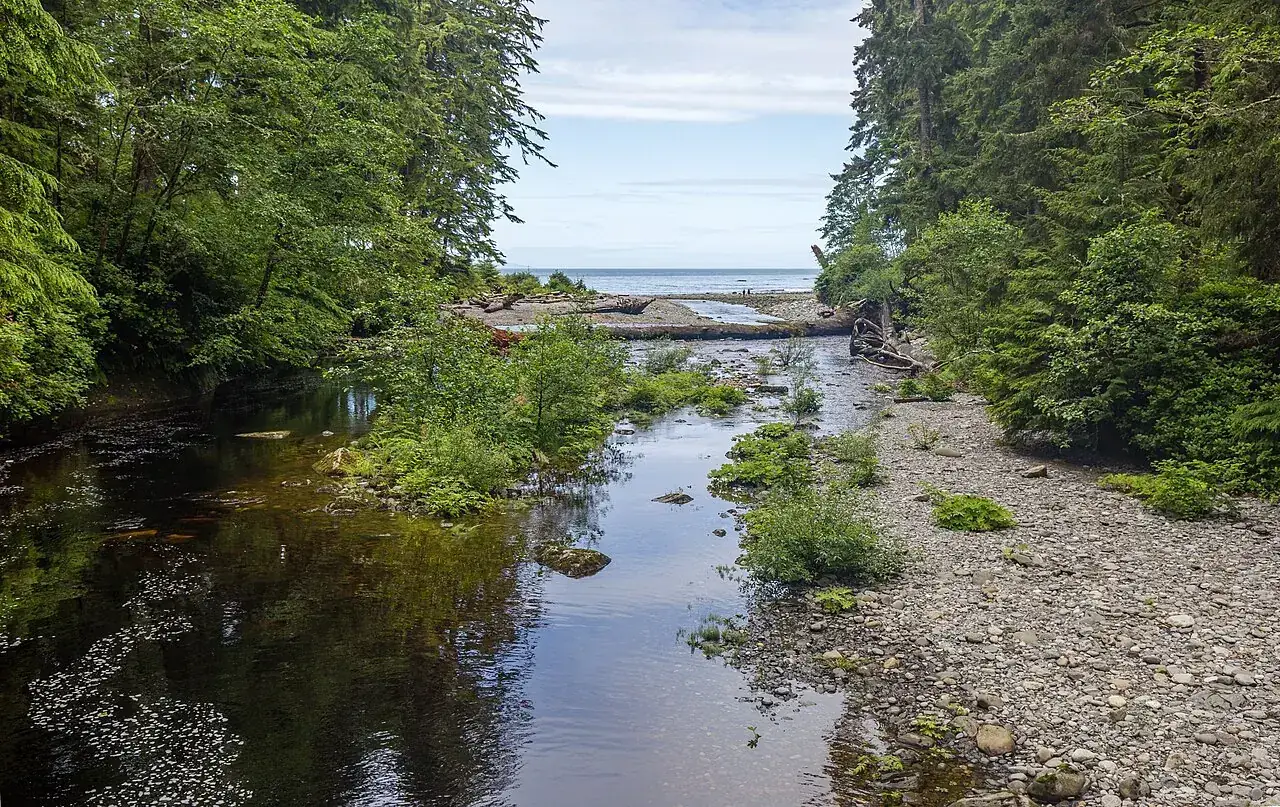
A month is a starting point
A seasonal calendar helps narrow your attention. It cannot tell you that a berry is ripe today or that a mushroom will be present after a particular rainfall. Conditions vary between coastal forests, dry valleys and higher elevations.
Read the map with the notes
Choose an item, a region and a month in the Forageberry guide. Read the habitat notes and references alongside the highlights. An ecosystem association describes a growing environment; it does not establish that the species occurs in every highlighted patch.
Keep a local record
Record the date, broad area, elevation if known and what you observed. Note flowers, immature fruit and mature fruit separately. Return visits can help you learn how a familiar place changes. Keep observations separate from assumptions about edibility.
Plan for learning too
When an entry says its season is not yet verified, use All year to read its habitat information. An outing can still be worthwhile without gathering anything. A notebook of careful observations is a useful harvest of its own.
Forageberry’s original editorial guide. This is introductory reading, not a substitute for in-person identification or site-specific harvesting rules.