Foraging in B.C.: Where Beginners Should Start
Start with one species, a familiar route and a clear plan for learning.
By Forageberry · Published October 8, 2026 · Planning & learning guide
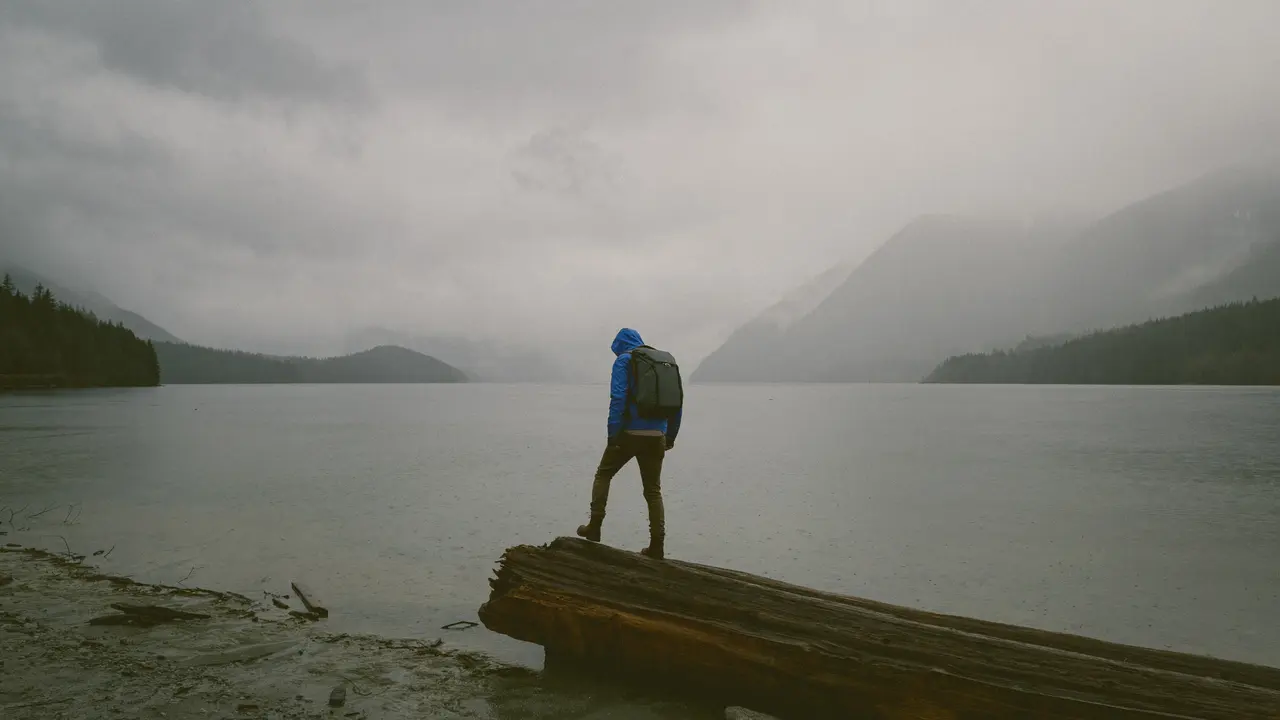
Make the first outing a learning walk
A first foraging trip in British Columbia does not need to end with a basket of food. Choose a short route you know, take a regional field guide and practise noticing what grows around you. Photograph unfamiliar plants in place. A useful first goal is to return knowing more about one species than you did when you left.
Choose one subject
Berries, mushrooms, shoreline plants and tree tips require different knowledge. Pick one subject for your first few outings instead of trying to learn everything together. Read about its habitat and the features used to distinguish it from similar species. A photograph or an app suggestion alone should not decide what reaches your kitchen.
Use the map to ask better questions
Select your region in the Forageberry seasonal map, then look at the notes for your chosen item. An ecosystem match helps you understand a habitat association. It does not promise a plant at a particular trail or tell you that collecting is permitted. Entries with unverified seasons are research prompts, not harvest instructions.
Build a routine you can repeat
Before leaving, check access, conditions and the return route. Keep notes on what you observed and what remains uncertain. Seek experienced local help before collecting anything for food. The most useful beginner kit is one you can carry comfortably: a guide, notebook, camera and the essentials for the walk. Add harvesting equipment when you understand the task.
Original Forageberry editorial content. This introductory guide does not establish identification, harvesting permission or food safety.