Bull kelp
Nereocystis luetkeana
- Food part reported in sources
- See species reference
- B.C. seasonal planning window
- March, April, May
- Habitat
- Rocky coastal waters.
An occurrence record or historical food-use report is not permission to harvest or proof of safe preparation.
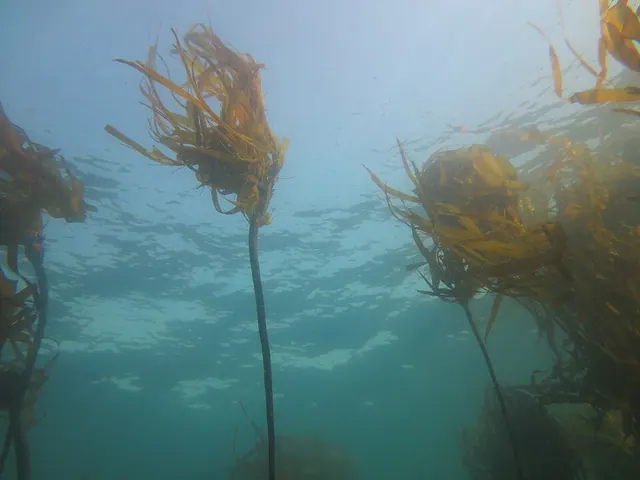
Photo: Chris Teague · CC BY 4.0
Reference illustration. A photograph alone cannot confirm identification or edibility.
Spring learning window from the linked guide, not a complete annual harvest calendar. Check marine rules and water quality.
Habitat in British Columbia
Rocky coastal waters.
Ecosystem records
No verified terrestrial ecosystem association assigned.
Marine habitat; outside terrestrial BEC zones. Ecosystem records describe broad associations, not known patches or harvesting permission.
Timing and food-use notes
March, April, May. Weather, elevation and local conditions can change timing.
Verify the exact species, intended part and preparation with a qualified regional identifier. Months describe planning windows only.
Comparisons & Common Confusions
Compare giant kelp using the whole float-and-blade arrangement. Do not treat all large brown seaweeds as the same ingredient; retain the exact species and part in your notes.
Plan the Outing
Check tide, swell, access and current harvesting rules before a shore trip. Kelp beds are habitat, not merely an ingredient supply. A coastal map cannot verify water quality or safe access to a bed.
Handling & Kitchen Notes
Use a verified clean site and a complete preparation method for the identified part. Do not improvise shelf-stable kelp pickles. B.C. requires live plants to be cut above the holdfast without harming regrowth; read the official rules and leave habitat intact. Read B.C.’s current aquatic plant harvesting guidance ↗
References
Repeated source URLs are combined above. A source may support more than one fact; it is not counted as independent verification twice.