Pacific golden chanterelle
Cantharellus formosus
- Food part reported in sources
- Fruiting body
- B.C. seasonal planning window
- September, October, November
- Habitat
- Ground in conifer forests, associated with Douglas-fir, western hemlock and Sitka spruce. An association with those trees is habitat guidance, not a confirmed picking location.
An occurrence record or historical food-use report is not permission to harvest or proof of safe preparation.
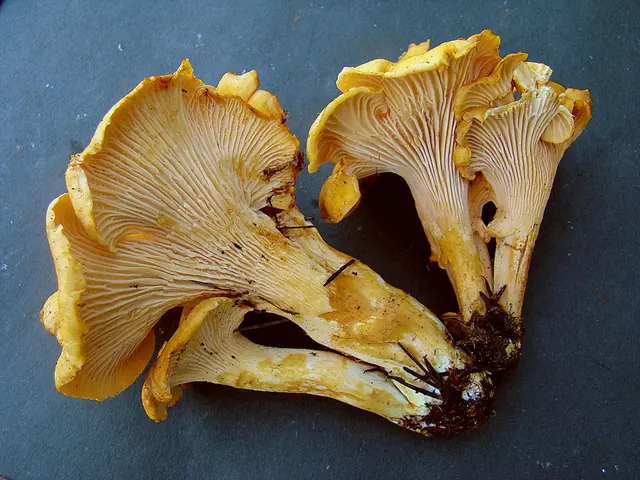
Photo: Dick Culbert · CC BY 2.0
Reference illustration. A photograph alone cannot confirm identification or edibility.
Autumn planning window; rain and first frost affect fruiting. Expert identification required.
Habitat in British Columbia
Ground in conifer forests, associated with Douglas-fir, western hemlock and Sitka spruce. An association with those trees is habitat guidance, not a confirmed picking location.
Ecosystem records
No verified terrestrial ecosystem association assigned.
Coastal habitat guidance; no BEC species match. Ecosystem records describe broad associations, not known patches or harvesting permission.
Timing and food-use notes
September, October, November. Weather, elevation and local conditions can change timing.
Verify the exact species, intended part and preparation with a qualified regional identifier. Months describe planning windows only.
Features to Study
Study the underside, not just the yellow cap. The museum describes thick, branching ridges that continue down the stem, rather than the thin blade-like gills of many mushrooms.
It grows on the ground in association with conifers. Photographs of the cap, underside and intact stem are useful for an expert identification discussion.
Study the whole organism with the linked regional reference. This is an introduction, not a complete identification key.
Comparisons & Common Confusions
The museum compares false chanterelle (Hygrophoropsis aurantiaca), whose gills are thinner, and scaly chanterelle (Turbinellus floccosus), which has a scaled cap and different form. Neither is a substitute for an edible identification. Use the museum’s full comparison account with a knowledgeable identifier; these brief differences are not a clearance to eat.
Plan the Outing
September–November is our approximate autumn planning window; local rain and frost matter. The seasonal map intentionally draws no BEC growing-zone highlight for this entry. Use habitat notes to plan learning, and the separate Mushroom Maps page for scouting context rather than expecting a verified mushroom patch.
Handling & Kitchen Notes
Only after every specimen is confirmed, keep identified mushrooms separate from unknown finds. Use a breathable container and review handling in our mushroom guide. The museum notes that individual reactions can occur even with correctly identified chanterelles. A recipe cannot resolve an uncertain identification.
References
Repeated source URLs are combined above. A source may support more than one fact; it is not counted as independent verification twice.