Western matsutake / pine mushroom
Tricholoma murrillianum
- Food part reported in sources
- Fruiting body
- B.C. seasonal planning window
- May, June, July, August, September, October, November, December
- Habitat
- See the museum’s species-specific B.C. habitat account.
An occurrence record or historical food-use report is not permission to harvest or proof of safe preparation.
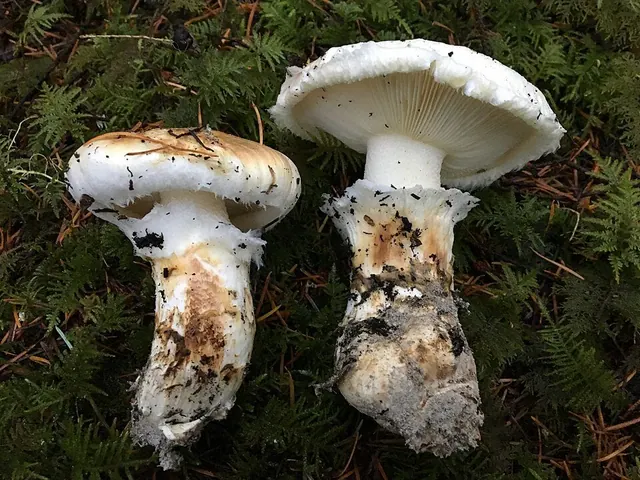
Photo: This image was created by user tomcervenka at Mushroom Observer, a source for mycological images.You can contact this user here. · CC BY-SA 3.0
Reference illustration. A photograph alone cannot confirm identification or edibility.
Expert identification is required. Read the museum’s look-alike and toxicity account before any food use.
Habitat in British Columbia
See the museum’s species-specific B.C. habitat account.
Ecosystem records
No verified terrestrial ecosystem association assigned.
Museum species reference; no verified BEC zone association. Ecosystem records describe broad associations, not known patches or harvesting permission.
Timing and food-use notes
May, June, July, August, September, October, November, December. Weather, elevation and local conditions can change timing.
Verify the exact species, intended part and preparation with a qualified regional identifier. Months describe planning windows only.
Features to Study
Study the pale cap with brown fibres, ring and dense stem, including its complete base. The museum describes a stem tapering below the ground without a cup.
Tree association and aroma are supporting observations, never a stand-alone identification test.
Study the whole organism with the linked regional reference. This is an introduction, not a complete identification key.
Comparisons & Common Confusions
Amanita smithiana is a serious poisonous confusion and can occur in the same habitat. Have the full specimen assessed by a knowledgeable identifier. Neither a pleasant smell nor a simple stem test is a clearance to eat.
Plan the Outing
Conifer duff and associated trees provide habitat context. Our broad recorded season is not a promise of a local crop. Learn with an experienced group and check access before making a collecting trip.
Handling & Kitchen Notes
Keep each candidate separate from unknown mushrooms. Do not put damaged specimens with missing bases into a food collection. Follow an experienced identifier’s handling advice after confirmation.
References
Repeated source URLs are combined above. A source may support more than one fact; it is not counted as independent verification twice.