Dandelion
Taraxacum officinale
- Food part reported in sources
- seeds, leaves, flowers, roots
- B.C. seasonal planning window
- March, April, May, September, October, November
- Habitat
- Disturbed ground.
An occurrence record or historical food-use report is not permission to harvest or proof of safe preparation.
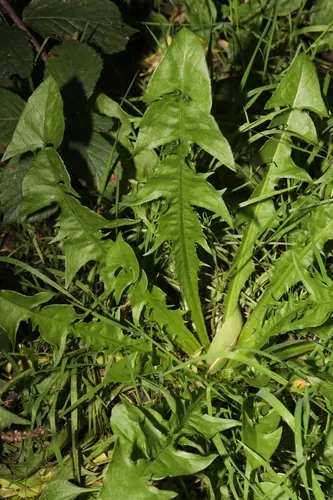
Photo: no rights reserved · CC0
Reference illustration. A photograph alone cannot confirm identification or edibility.
Confirm species and the intended edible part using the linked reference.
Habitat in British Columbia
Disturbed ground.
Ecosystem records
Boreal Altai Fescue Alpine (BAFA); Bunchgrass (BG); Boreal White and Black Spruce (BWBS); Coastal Douglas-fir (CDF); Coastal Western Hemlock (CWH); Engelmann Spruce–Subalpine Fir (ESSF); Interior Cedar–Hemlock (ICH); Interior Douglas-fir (IDF); Interior Mountain-heather Alpine (IMA); Montane Spruce (MS); Ponderosa Pine (PP); Sub-Boreal Pine–Spruce (SBPS); Sub-Boreal Spruce (SBS); Spruce–Willow–Birch (SWB)
UBC recorded ecosystems for the named taxa. Ecosystem records describe broad associations, not known patches or harvesting permission.
Timing and food-use notes
March, April, May, September, October, November. Weather, elevation and local conditions can change timing.
Verify the exact species, intended part and preparation with a qualified regional identifier. Months describe planning windows only.
Features to Study
Study the basal leaf rosette and hollow, unbranched flower stalk with no stem leaves. The yellow head contains many small flowers.
The botanical account describes a perennial with a taproot and milky sap. These features should be considered together.
Study the whole organism with the linked regional reference. This is an introduction, not a complete identification key.
Comparisons & Common Confusions
Several yellow-flowered plants are casually called dandelions. Compare flower-stalk branching, stem leaves and the rosette with the full botanical description. Milky sap or a yellow flower alone is insufficient.
Plan the Outing
Disturbed places can be easy to access but may be sprayed, polluted or privately managed. Choose an observation walk when site history is uncertain rather than collecting from any lawn.
Handling & Kitchen Notes
Use positively identified leaves or other specifically documented food parts with an appropriate recipe. Wash and sort carefully; culinary bitterness is a flavour issue, not an identification test.
References
Repeated source URLs are combined above. A source may support more than one fact; it is not counted as independent verification twice.