Stinging nettle
Urtica dioica
- Food part reported in sources
- See species reference
- B.C. seasonal planning window
- March, April, May
- Habitat
- Moist, nutrient-rich ground and stream edges.
An occurrence record or historical food-use report is not permission to harvest or proof of safe preparation.
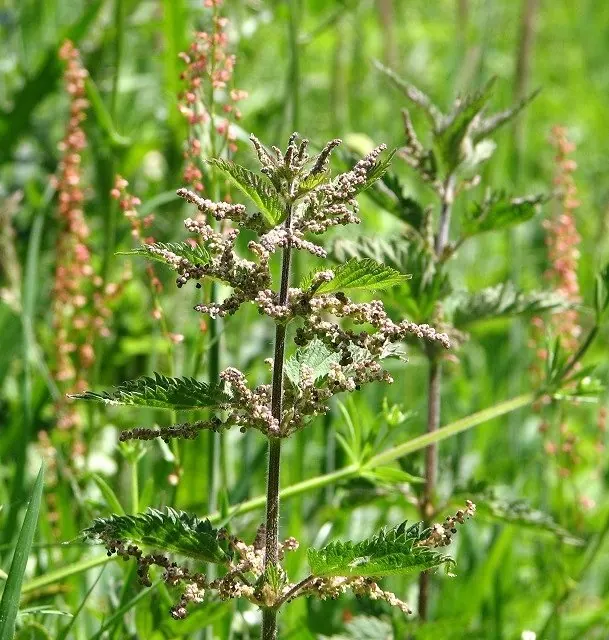
Photo: Evelyn Simak · CC BY-SA 2.0
Reference illustration. A photograph alone cannot confirm identification or edibility.
Spring young growth; wear gloves and use appropriate preparation.
Habitat in British Columbia
Moist, nutrient-rich ground and stream edges.
Ecosystem records
Bunchgrass (BG); Boreal White and Black Spruce (BWBS); Coastal Douglas-fir (CDF); Coastal Western Hemlock (CWH); Engelmann Spruce–Subalpine Fir (ESSF); Interior Cedar–Hemlock (ICH); Interior Douglas-fir (IDF); Interior Mountain-heather Alpine (IMA); Mountain Hemlock (MH); Montane Spruce (MS); Ponderosa Pine (PP); Sub-Boreal Pine–Spruce (SBPS); Sub-Boreal Spruce (SBS)
UBC recorded ecosystem zones. Ecosystem records describe broad associations, not known patches or harvesting permission.
Timing and food-use notes
March, April, May. Weather, elevation and local conditions can change timing.
Verify the exact species, intended part and preparation with a qualified regional identifier. Months describe planning windows only.
Features to Study
Study the whole plant and linked botanical account; the nettle name includes native and introduced forms.
Stinging hairs make gloves and careful handling useful during observation and collection.
Study the whole organism with the linked regional reference. This is an introduction, not a complete identification key.
Comparisons & Common Confusions
Do not identify a green shoot from sting or leaf colour alone. Use stem, leaf arrangement and the full botanical reference. Do not apply this food-use entry to other plants with “nettle” in their common name.
Plan the Outing
The FNHA seasonal food guide describes young nettles in early spring before flowering. Check access and site history, avoiding sprayed or contaminated ground.
Handling & Kitchen Notes
Use a reliable nettle preparation method to address the stinging hairs. FNHA describes cooking young nettles like spinach. This page provides food context rather than medicinal treatment advice.
References
Repeated source URLs are combined above. A source may support more than one fact; it is not counted as independent verification twice.