Douglas-fir tips
Pseudotsuga menziesii
- Food part reported in sources
- Tender new growth
- B.C. seasonal planning window
- March, April, May
- Habitat
- Habitat details are not yet verified for this profile.
An occurrence record or historical food-use report is not permission to harvest or proof of safe preparation.
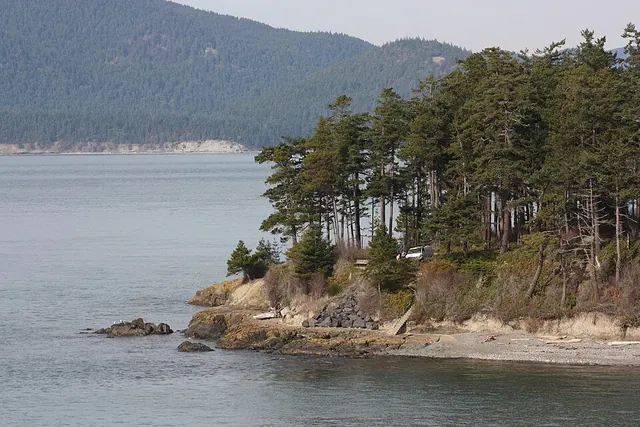
Photo: Walter Siegmund (talk) · CC BY-SA 3.0
Reference illustration. A photograph alone cannot confirm identification or edibility.
Identify the tree positively; do not confuse culinary conifers with poisonous yew. Follow permission and sustainable harvest guidance.
Habitat in British Columbia
Habitat details are not yet verified for this profile.
Ecosystem records
Bunchgrass (BG); Coastal Douglas-fir (CDF); Coastal Western Hemlock (CWH); Engelmann Spruce–Subalpine Fir (ESSF); Interior Cedar–Hemlock (ICH); Interior Douglas-fir (IDF); Mountain Hemlock (MH); Montane Spruce (MS); Ponderosa Pine (PP); Sub-Boreal Pine–Spruce (SBPS); Sub-Boreal Spruce (SBS)
UBC recorded ecosystem zones. Ecosystem records describe broad associations, not known patches or harvesting permission.
Timing and food-use notes
March, April, May. Weather, elevation and local conditions can change timing.
Verify the exact species, intended part and preparation with a qualified regional identifier. Months describe planning windows only.
Features to Study
Identify the tree before considering its new growth. Study the needles and cones; the botanical account describes distinctive three-lobed bracts between cone scales.
Soft spring growth looks different from mature needles. Include mature foliage in your identification photographs.
Study the whole organism with the linked regional reference. This is an introduction, not a complete identification key.
Comparisons & Common Confusions
Do not use “conifer tips” as a blanket edible category. Work through the exact tree identification rather than relying on a citrus-like smell. Compare Sitka spruce using its full botanical account.
Plan the Outing
The spring window describes tender new growth, not every green needle throughout the year. Observe local bud development and ask permission. Avoid removing leaders or taking many tips from a small tree.
Handling & Kitchen Notes
FNHA describes young conifer tips as a seasonal food. Use a species-specific recipe only after tree confirmation and keep any collection modest. This entry does not recommend medicinal use or homemade shelf-stable preservation.
References
Repeated source URLs are combined above. A source may support more than one fact; it is not counted as independent verification twice.